Tooth replacement
Types of dental bridges and how to care for them
October 17, 2025

Here’s a clear guide to bridge types, the visit steps, and the home-care habits that keep everything fresh for years.
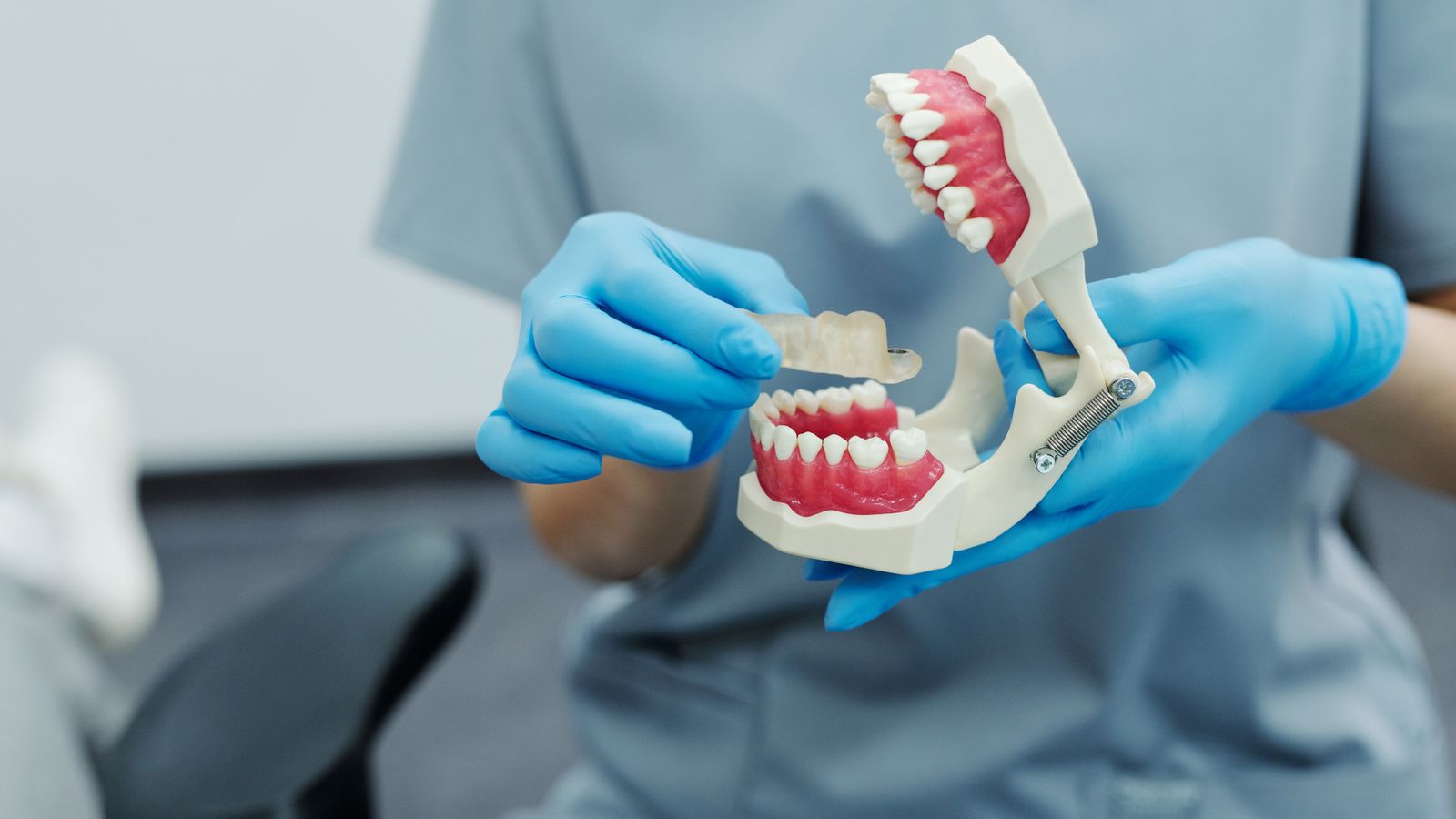
A bridge is a connected set of teeth: two anchor crowns on the neighbors with a middle tooth called a pontic. Once bonded in place, it restores chewing, keeps other teeth from drifting, and blends in with your natural smile. Many patients appreciate that a bridge is fixed: you simply brush and floss as directed without removing anything at night.
If multiple teeth are missing or neighbors aren’t ideal anchors, your dentist may discuss implant options or a combination approach so function and esthetics both shine.
Depending on your case, certain bridges can be completed with advanced in-office technology; your dentist will advise based on span length and esthetics.
Well-maintained bridges frequently serve for many years. Success factors include healthy anchor teeth, meticulous home care, and routine professional cleanings. A nightguard protects against grinding forces that can stress cement over time, particularly if you clench during sleep.
Choose a bridge when neighbors need crowns anyway, you prefer a fixed solution, or you want to complete treatment on a streamlined timeline. Consider alternatives if neighbors are pristine and you’d rather avoid modifying them. There’s no one-size-fits-all answer; your exam, photos, and goals point to the best path.
Most patients adapt quickly. Your tongue will explore the new contours for a day or two, then chewing and speaking feel normal. If a spot feels “high” after a couple of days, a tiny adjustment can make it perfect. Just let your dentist know.
If a missing tooth is cramping your smile or chewing, let’s close the gap with a solution that looks natural and feels like you. To plan a personalized approach with Sonoma Springs Dental in Sonoma, CA, call (707) 935-8200 to Book an Appointment today. You can also visit our contact page for more options.