Cosmetic dentistry
Teeth whitening sensitivity: How to brighten without the zing
November 10, 2025

Here’s a friendly, science-smart guide to why it happens, how to prevent it, and which options in Sonoma can get you glowing without the zing.
Whitening gels lift deeper stains by passing through enamel into the tooth’s inner layer, where they break apart pigmented molecules. During that process, tiny fluid shifts can fire up the tooth’s microscopic nerve endings. It’s temporary, but you feel it as quick zaps or dull aches, especially if you already have gum recession, thin enamel, or hairline cracks.
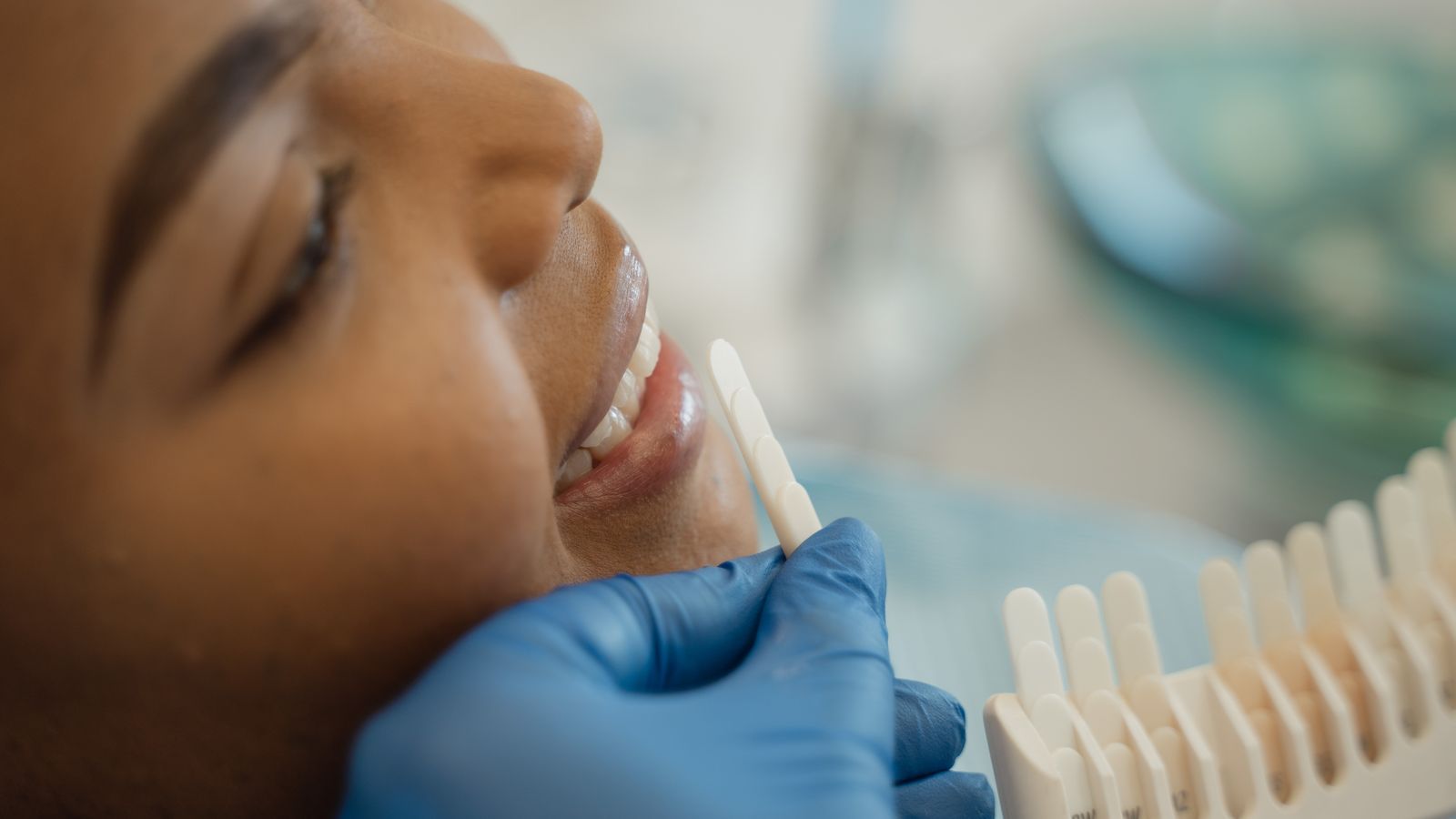
In-Office Power Whitening: Fast results in about an hour with careful isolation of gums and customized gel strength, great for a wedding-week lift.
Custom Take-Home Trays: The gold standard for control. You decide how often and how long to wear trays; your dentist calibrates gel strength to your sensitivity level.
Whitening Strips & Rinses: Convenient for mild touch-ups but less precise and often slower.
Whitening Toothpastes: Helpful maintenance once you reach your shade.
Start a desensitizing toothpaste (with potassium nitrate or stannous fluoride) two weeks before whitening and continue throughout. If you have small areas of gum recession or exposed root, your dentist can show you how to apply a thin smear of desensitizing gel inside trays before the bleaching gel: layered protection that works wonders.
Shorter, more frequent sessions are kinder than marathon wears. If you’re using take-home trays, try 30–45 minutes instead of overnight to find your sweet spot. Take rest days between sessions as needed. If you’re doing an in-office boost, follow with low-strength home trays for gentle finishing and maintenance.
If you have microscopic cracks or porous areas, your dentist may recommend a remineralizing treatment with fluoride or calcium-phosphate pastes. These help reseal enamel and calm nerves. In some cases, bonding small worn notches near the gumline both protects the tooth and reduces post-whitening sensitivity.
Use lukewarm water for the first 24–48 hours after a session. Avoid very hot or icy drinks, and press pause on citrus and wine that can temporarily soften enamel. Sip through a straw when you can. Rinse with water after coffee to reduce surface staining, then brush after 20–30 minutes to protect enamel.
If you’re considering a crown or veneers, whiten first and let the shade stabilize for two weeks so any restoration can be matched to your brighter baseline. That keeps your new work seamless and saves you from mismatched shades later.
At Sonoma Springs Dental, we offer in-office and custom tray whitening to fit your sensitivity level and your timeline. We’ll map out a plan that gets you to your target shade while keeping teeth comfortable.
Ready to brighten without discomfort? Explore Cosmetic Dentistry or Contact Us to Schedule a Consultation. Or call (707) 935-8200. Sonoma Springs Dental in Sonoma, CA will guide you to a glow that feels as good as it looks. You can also visit our contact page for more options.